



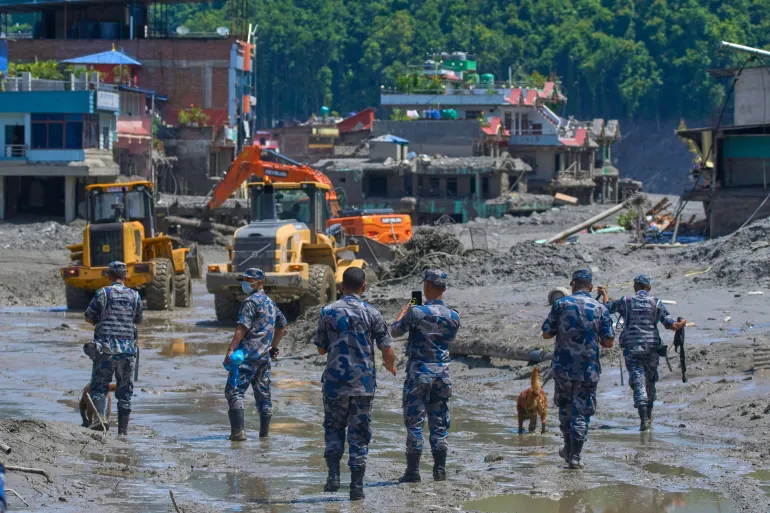
काठमांडू/तिब्बत: Nepal-Tibet border पर आई विनाशकारी flash flood में मरने वालों की संख्या लगातार बढ़ रही है। 28 अगस्त 2026 की ताजा जानकारी के मुताबिक Nepal में 469 लोगों की मौत की पुष्टि हो चुकी है, जबकि China के Tibet क्षेत्र में अब तक 3 मौतें दर्ज हैं। दोनों क्षेत्रों को मिलाकर confirmed death toll कम से कम 472 हो गया है। सैकड़ों लोग अब भी लापता हैं और disaster zone में नई बाढ़ का खतरा rescue operation के लिए बड़ी चुनौती बन गया है।
सबसे गंभीर development Nepal-China border पर debris से बनी एक बड़ी barrier lake का overflow होना है। इसके कारण Chinese authorities ने Tibet में rescue personnel और vehicles को temporarily सुरक्षित स्थानों पर पीछे हटने का आदेश दिया, जबकि Nepal में भी कुछ समय के लिए search-and-rescue operation रोकना पड़ा।
469 मौतें केवल Nepal में
Nepal Police ने शुक्रवार सुबह बताया कि देश में confirmed death toll एक दिन पहले के करीब 390 से बढ़कर 469 हो गया है।
China की तरफ Tibet में अभी तक 3 deaths confirm की गई हैं। इसलिए अगर Nepal और Tibet दोनों को जोड़ा जाए तो कुल confirmed deaths कम से कम 472 हैं।
यह संख्या आगे बढ़ सकती है क्योंकि बड़ी संख्या में लोग अभी तक लापता हैं और कई remote areas तक rescue teams पूरी तरह नहीं पहुंच पाई हैं।
1,500 से ज्यादा लोग अब भी लापता
Associated Press की latest update के मुताबिक Nepal और Tibet को मिलाकर 1,500 से ज्यादा लोगों के missing होने की reports हैं।
Reuters के अनुसार Nepal और Tibet में लगभग 1,000 से अधिक लोग missing बताए जा रहे थे, जबकि अलग-अलग official updates में संख्या लगातार बदल रही है। Foreign tourists और pilgrims भी missing लोगों में बड़ी संख्या में शामिल हैं।
Disaster के scale और communication breakdown के कारण missing-person figures में लगातार revision हो रहा है।
Tibet के Gyirong में 558 लोग लापता
China के Tibet Autonomous Region में सबसे ज्यादा नुकसान Gyirong County और border crossing area में हुआ है।
Chinese state broadcaster CCTV के मुताबिक वहां 558 लोग missing हैं, जिनमें करीब 260 foreign nationals भी शामिल हैं।
Gyirong Nepal और Tibet के बीच महत्वपूर्ण border route है और Mount Kailash तथा दूसरे Himalayan destinations जाने वाले tourists और pilgrims भी इस corridor का इस्तेमाल करते हैं।
नई Barrier Lake बनी सबसे बड़ा खतरा
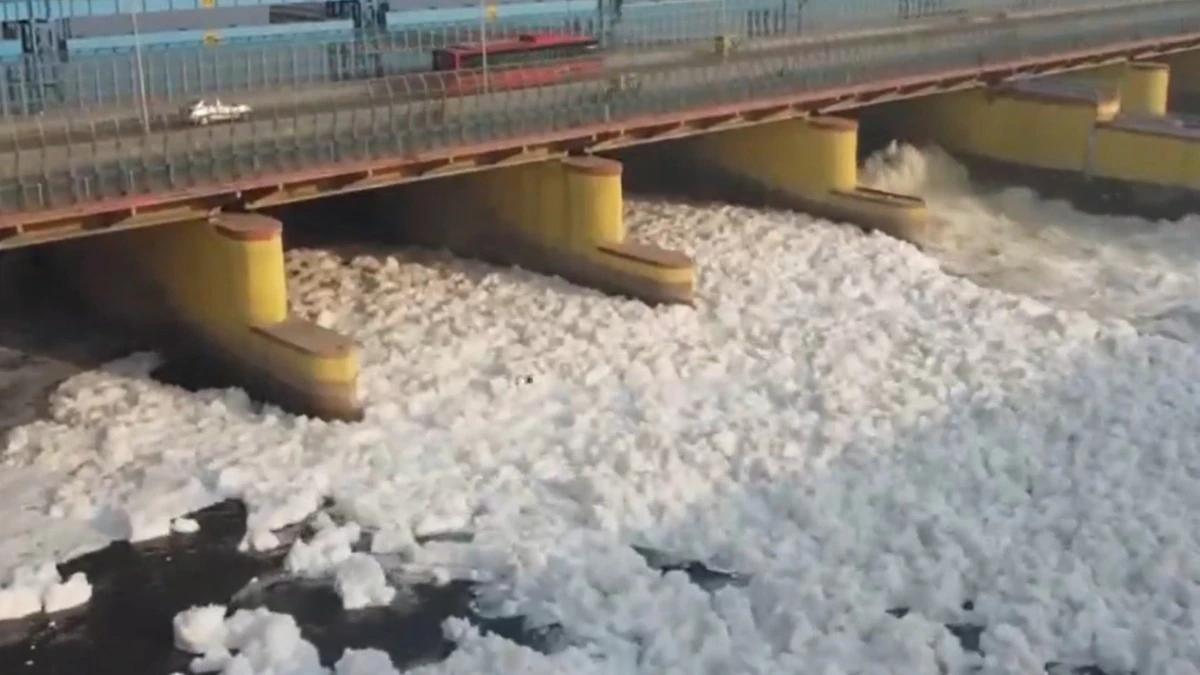
26 अगस्त की devastating flood के बाद पहाड़ों से आए rock, ice और mud ने river system के कुछ हिस्सों को block कर दिया।
इस blockage से एक बड़ी barrier lake बन गई। Reuters के मुताबिक गुरुवार को इसमें करीब 1.5 से 2 million cubic metres पानी था, लेकिन शुक्रवार तक reservoir बढ़कर 2.5 million cubic metres से ज्यादा हो गया।
पानी बढ़ने के बाद lake overflow करने लगी।
Authorities को डर है कि अगर natural debris dam अचानक टूटता है तो downstream इलाकों में एक और powerful flash flood आ सकती है।
Tibet में Rescue Teams को पीछे हटाया गया
नई flood warning के बाद Chinese authorities ने high-risk area में काम कर रहे सभी rescue personnel और vehicles को safe location पर stand-by रहने को कहा।
Reuters के मुताबिक lake के burst होने के खतरे के कारण यह preventive action लिया गया।
इसलिए “Tibet में rescue operation permanently बंद” कहना सही नहीं होगा।
स्थिति यह है कि कुछ high-risk zones में rescue temporarily suspend/withdraw किया गया है, ताकि rescuers खुद दूसरी flood wave की चपेट में न आएं।
Nepal में भी 90 मिनट रोका गया Operation
Nepal की तरफ भी authorities ने नई flood warning मिलने के बाद rescue operations को करीब 90 minutes के लिए रोकने की जानकारी दी।
Rasuwa district में residents को hills और ऊंचे स्थानों की ओर जाते देखा गया, क्योंकि river level फिर बढ़ने लगा था।
हालांकि Associated Press की बाद की update में Nepal Police spokesperson ने कहा कि rescue operation पूरी तरह खत्म नहीं हुआ है और teams high alert पर काम कर रही हैं।
इसलिए situation तेजी से बदल रही है।
River Level फिर बढ़ा
Rasuwa district के वरिष्ठ अधिकारी Narendra Pariyar ने Reuters को बताया कि authorities को upstream lake के bank टूटने की warning मिली थी।
उन्होंने कहा कि नदी में पानी का level बढ़ता दिखाई दे रहा है, हालांकि उस समय exact rise का आंकड़ा उपलब्ध नहीं था।
इस warning ने पहले से devastated downstream settlements में panic बढ़ा दिया।
26 अगस्त को कैसे आई थी इतनी भयानक Flood?
Initial scientific assessments के मुताबिक disaster की शुरुआत Himalayan region में बड़े glacier/ice-rock collapse से हुई।
एक विशाल rock और ice mass नीचे गिरा, जिससे river temporarily block हो गई। बाद में trapped water ने debris barrier को तोड़ा और विशाल मात्रा में:
- पानी
- बर्फ
- चट्टान
- मिट्टी
- और debris
तेजी से downstream areas की ओर बढ़ा।
इस surge ने Nepal और Tibet के कई settlements को कुछ ही मिनटों में तबाह कर दिया।
USGS ने दर्ज किया Glacier Collapse
U.S. Geological Survey यानी USGS ने घटना के दौरान seismic signals का analysis किया।
AP के मुताबिक agency ने इसे magnitude 5.2 के बराबर glacier collapse event के रूप में identify किया, जिसमें satellite imagery और nearby seismic stations के data का इस्तेमाल किया गया।
Scientists अभी भी exact sequence की जांच कर रहे हैं।
इसलिए यह कहना जल्दबाजी होगी कि पहले earthquake आया और उसी ने glacier तोड़ा। मौजूदा evidence glacier collapse को primary disaster mechanism की ओर इशारा करता है।
Roads और Bridges पूरी तरह तबाह
Flood ने Kathmandu और Tibet के Lhasa region को जोड़ने वाले important Himalayan route को भी गंभीर नुकसान पहुंचाया है।
Power stations, bridges, roads और entire settlements flood और debris की चपेट में आए।
कुछ areas में road connectivity पूरी तरह खत्म होने के कारण rescuers को helicopters, sniffer dogs और heavy machinery पर निर्भर रहना पड़ रहा है।
Remote valleys तक पहुंच अभी भी बड़ी चुनौती है।
Foreign Tourists भी बड़ी संख्या में Missing
Disaster के समय Nepal-Tibet region में बड़ी संख्या में foreign trekkers, tourists और pilgrims मौजूद थे।
Reuters के मुताबिक missing लोगों में कम से कम 540 foreigners शामिल हैं।
अलग-अलग nationality lists में Indians, Americans, Australians, British और दूसरे देशों के नागरिक शामिल बताए गए हैं।
Missing figures लगातार बदल रहे हैं क्योंकि कुछ लोग बाद में rescue centres या hotels में मिल रहे हैं जबकि कुछ locations से अभी communication establish नहीं हो पाया है।
Indian Nationals भी Unaccounted
Earlier tourism records में Nepal में missing foreign tourists में Indians की संख्या सबसे ज्यादा बताई गई थी। Reuters की 27 अगस्त की nationality list में 178 Indian tourists Nepal में uncontactable/missing बताए गए थे। बाद के broader official counts में Indian figures अलग-अलग सामने आए हैं।
इसलिए फिलहाल किसी एक बड़े Indian missing figure को final संख्या मानना सही नहीं होगा।
Indian authorities Nepal government के साथ information exchange और affected citizens की tracing में जुटी हैं।
Nepal ने Foreign Rescue Teams की मदद फिलहाल नहीं मांगी
कई देशों ने Nepal को rescue assistance offer की है।
लेकिन Nepal के Foreign Ministry spokesperson Lok Bahadur Chhetri ने Reuters से कहा कि फिलहाल Nepal की security agencies search-and-rescue operation संभाल सकती हैं और अभी foreign rescue teams की जरूरत नहीं है।
South Korea की rapid-response team Kathmandu पहुंच चुकी है, लेकिन Nepal की formal approval के बिना deploy नहीं की गई है।
इसका मतलब humanitarian aid reject करना नहीं है; Nepal फिलहाल direct foreign search teams की deployment को सीमित रख रहा है।
China के Premier Li Qiang पहुंचे Disaster Zone
China ने Tibet side पर disaster को high-level national emergency के रूप में लिया है।
Chinese Premier Li Qiang गुरुवार को Gyirong disaster area पहुंचे।
China ने engineers की टीम भी deploy की है जो aerial surveys और 3D modelling के जरिए barrier lake तथा damaged terrain को monitor कर रही है।
इस data की मदद से authorities यह अनुमान लगाने की कोशिश कर रही हैं कि natural dam कितनी stable है और नई flood wave का खतरा कितना बड़ा है।
हजारों Rescuers काम पर
Nepal ने military, police और disaster-response personnel को large-scale operation में लगाया है।
Helicopters के जरिए stranded लोगों को निकालने, food और medicines पहुंचाने तथा remote areas में survivors तलाशने का काम जारी है।
लेकिन lake overflow और unstable slopes के कारण rescue teams को बार-बार high-risk areas से पीछे हटना पड़ सकता है।
Climate Change का सवाल
Disaster के बाद climate change और Himalayan glacier instability पर भी चर्चा तेज हो गई है।
Scientists का कहना है कि warming temperatures glaciers, permafrost और mountain slopes को unstable बना सकती हैं।
लेकिन AP के मुताबिक experts ने यह भी कहा है कि इस specific disaster को सीधे climate change से जोड़ना अभी जल्दबाजी होगी। Detailed scientific analysis की जरूरत है।
इसलिए headline में “climate change ने flood कराई” जैसे definitive claim से फिलहाल बचना चाहिए।
अभी सबसे बड़ा खतरा क्या है?
इस समय authorities के सामने तीन मुख्य चुनौतियां हैं:
पहली: सैकड़ों missing लोगों को जल्द से जल्द तलाशना।
दूसरी: unstable barrier lakes की लगातार monitoring करना।
तीसरी: rescue workers और downstream residents को संभावित दूसरी flash flood से सुरक्षित रखना।
अगर debris dam पूरी तरह टूटता है तो पहले से तबाह इलाकों में फिर बड़ी मात्रा में पानी और debris पहुंच सकता है।
28 August की Latest Situation
आज 28 अगस्त 2026 की latest verified स्थिति यह है:
- Nepal में 469 confirmed deaths
- Tibet में कम से कम 3 deaths
- Combined confirmed toll कम से कम 472
- Nepal-Tibet region में 1,500 से ज्यादा people reported missing के आंकड़े सामने आए हैं
- Tibet के Gyirong में 558 missing
- New barrier lake overflow कर रही है
- Tibet में high-risk zones से rescue personnel temporarily हटाए गए
- Nepal में rescue कुछ समय के लिए रोककर फिर high alert पर जारी रखा गया
- Residents को safer, higher ground पर जाने की warning दी गई है
- Flood का probable trigger massive glacier/ice-rock collapse माना जा रहा है।
इसलिए आज की सबसे accurate headline होगी:
Nepal Floods: 469 मौतें, Tibet में भी 3 की जान गई; Barrier Lake Overflow से दूसरी बाढ़ का खतरा, Rescue Teams पीछे हटीं
नोट: 469 का आंकड़ा केवल Nepal का death toll है। Tibet की 3 confirmed deaths जोड़ने पर combined toll कम से कम 472 है। Rescue operations permanently बंद नहीं हुए हैं; नई flood warning के कारण कुछ प्रभावित क्षेत्रों में इन्हें temporarily suspend या relocate किया गया है।
स्रोत – रॉयटर्स, एसोसिएटेड प्रेस (AP), नेपाल पुलिस, चीन का CCTV
जय राष्ट्र न्यूज़